Geoparks are territories with clearly defined boundaries that host geological heritage of international significance, forming the basis for sustainable socio-economic development. They are recognised as UNESCO Global Geoparks under the International Geoscience and Geoparks Programme.
Geological heritage refers to sites of scientific, educational, aesthetic, or rare value. These may include terrestrial, marine, or underground areas, providing “windows into the Earth’s past.” They reveal processes and events from millions or thousands of years ago, the plants and animals that inhabited our planet, the interactions between geological features and biodiversity, and the historical use of geological resources, rocks, and minerals.
Sustainable development based on this heritage is guided by a bottom-up approach, promoting local stakeholder participation in decision-making. This allows for educational activities focused on heritage and sustainability, local economic initiatives such as geotourism and guided tours highlighting geology, customs, and local products, as well as conservation projects that engage communities in protecting and sharing their heritage.
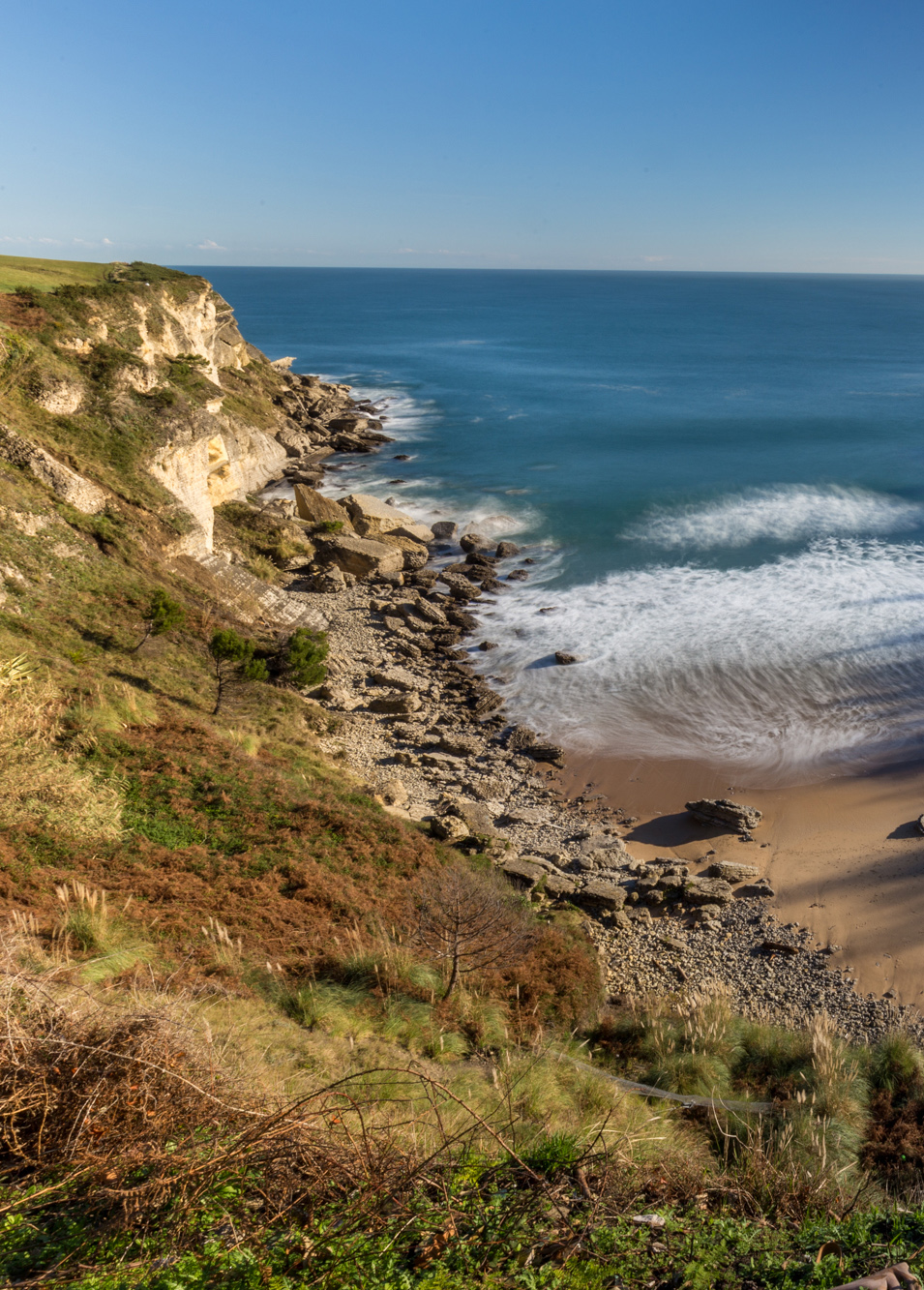

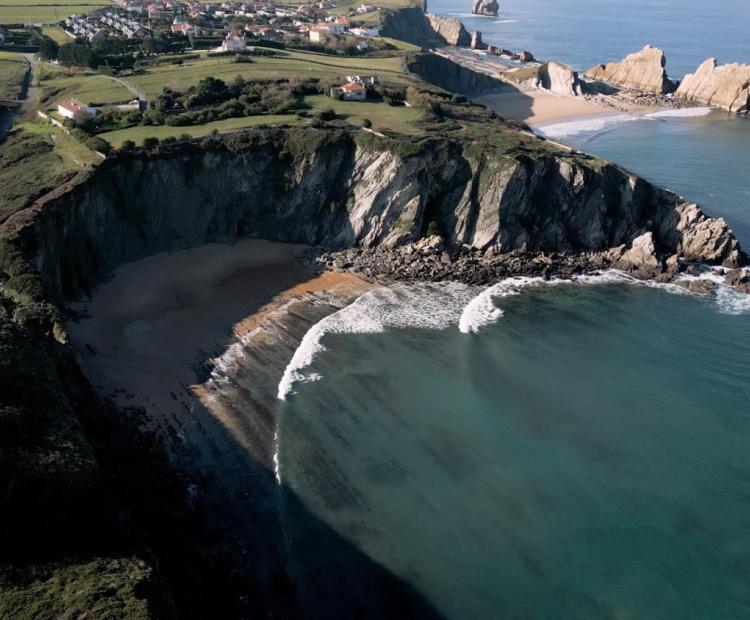
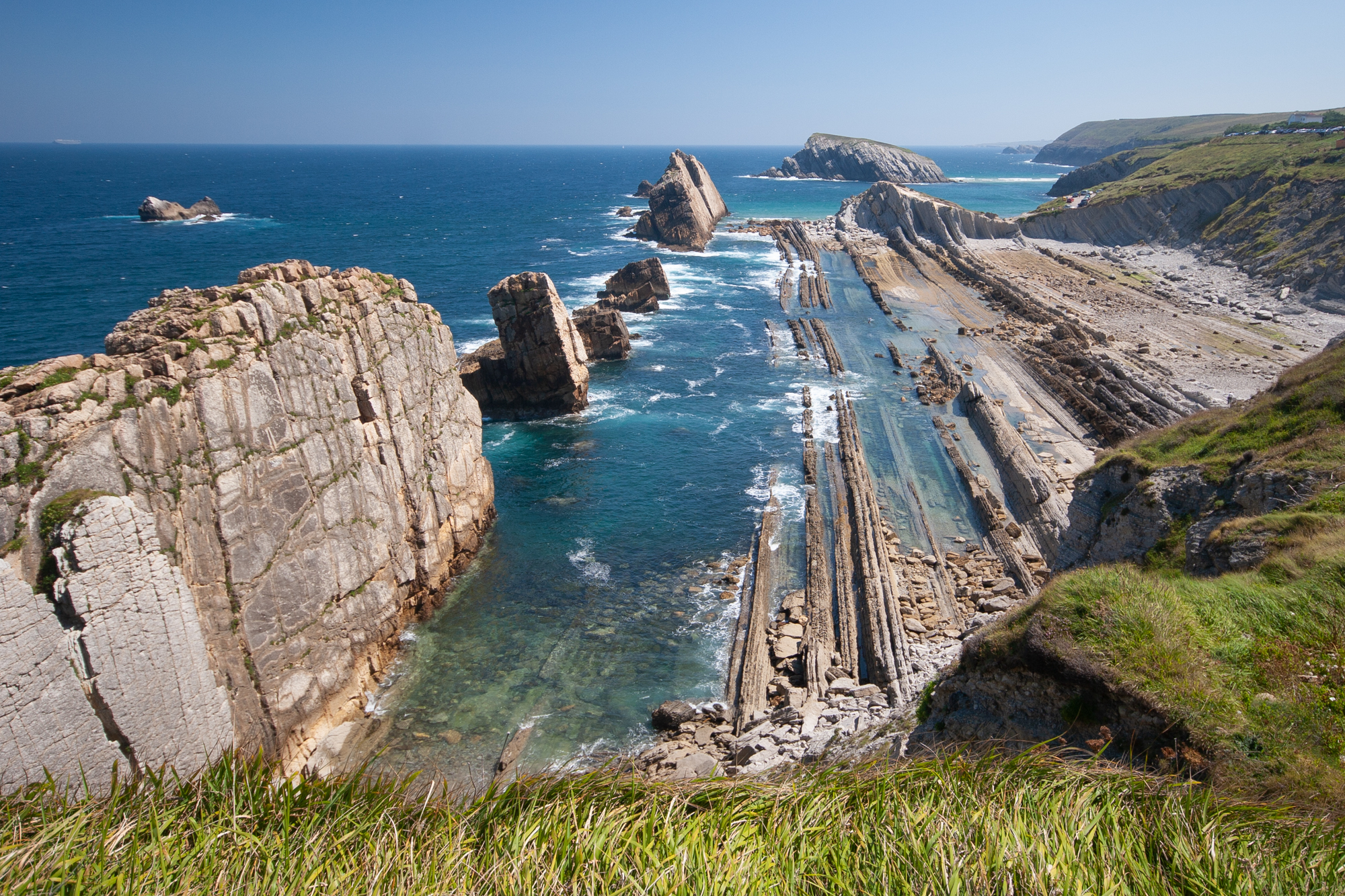
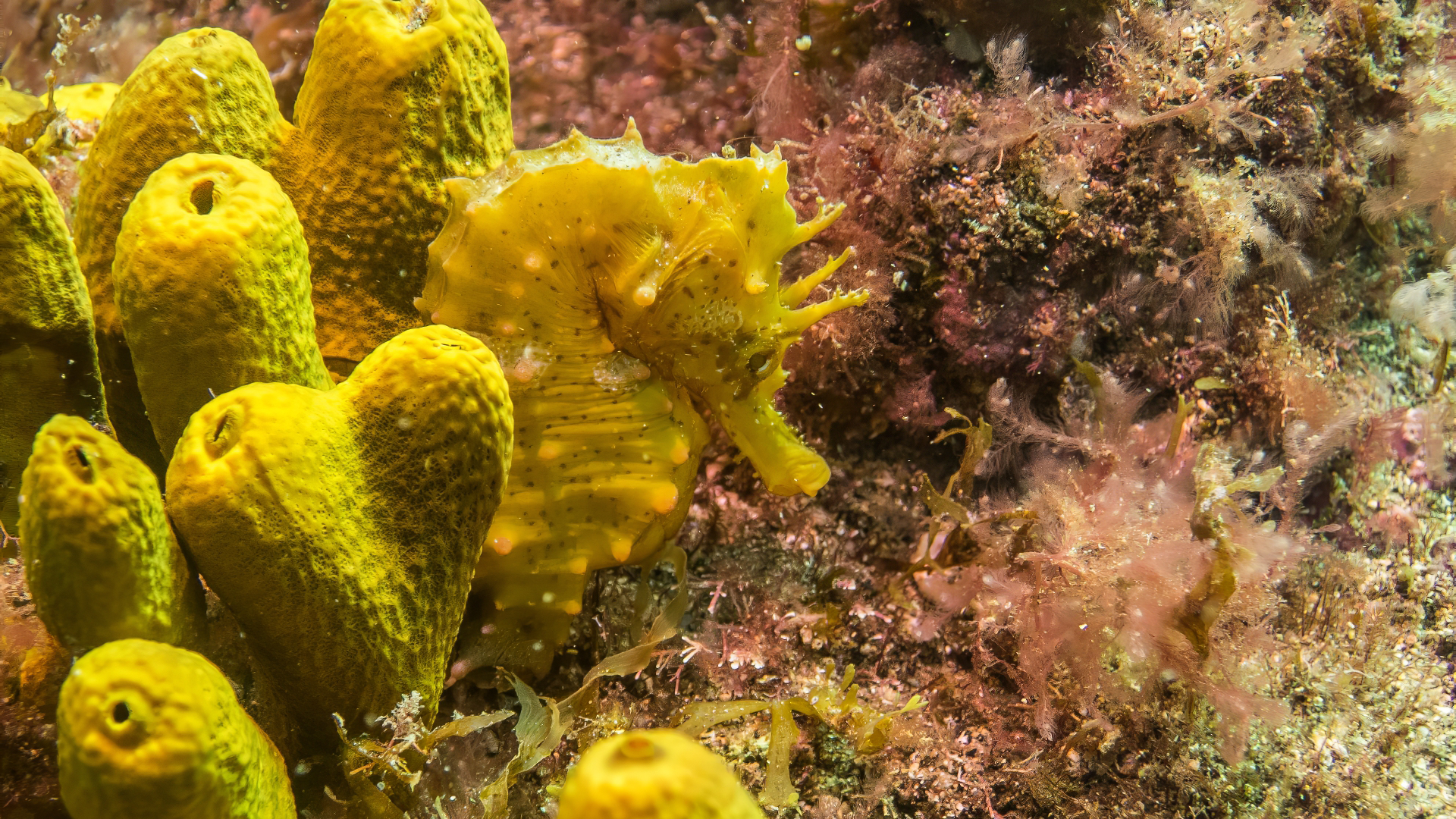
A Geopark is not a protected area by definition, although it may overlap with or include protected natural spaces. Geological sites within Geoparks, however, must be safeguarded under local, regional, or national legislation. Geoparks commit to defending the geological elements that define their uniqueness, preventing their destruction or commercial exploitation.
Finally, UNESCO Global Geoparks are remarkable for their extraordinary networking and cooperation. They share experiences, improve initiatives, and produce results through collaboration. The Global Geoparks Network participates in UNESCO programmes and maintains active continental networks, such as the European Geoparks Network. In Spain, the Spanish Geoparks Forum coordinates national activities and is presented on this website.
Global Geoparks Network



The Global Geoparks Network is our shared workspace: a vast family of 169 territories in 44 countries, forming a growing puzzle that tells the story of the Earth like never before. Towering mountains, active volcanoes, glaciers, vast deserts, and dizzying cliffs are just a few of the spectacular attractions in this diverse collection of destinations where the Earth and its inhabitants are the stars.
The network began in 2000. Representatives from the Petrified Forest of Lesbos (Greece), the ancient volcano region of Vulkaneifel (Germany), the pre-Alpine reliefs of Haute Provence (France), and the Maestrazgo Cultural Park (Spain) met in Molinos (Teruel, Spain) to formalise the European Geoparks Network (EGN). This innovative concept used geological heritage as a driver for local development, education, conservation, and geotourism, strengthening territorial identity and economic activity.
No one could have imagined in the year 2000 that this network would become one of the most successful international cooperation programmes of the past decades. That initial good idea gradually gained allies, and by 2004 it already included 21 Geoparks across nine countries, including China. On this foundation, the Global Geoparks Network (GGN) was established, a non-profit association whose main goal is to interconnect its members as a key tool for the improvement of each of them. The GGN, together with its regional networks and national forums, organises several meetings and congresses every year, where participation is expected. Each Geopark takes part in various working groups aimed at addressing key issues such as education, communication, and geological risk. Together, we share experiences and learn to manage our territories more intelligently. Together, we form an increasingly attractive and continuously improving destination
Spanish Geoparks Network
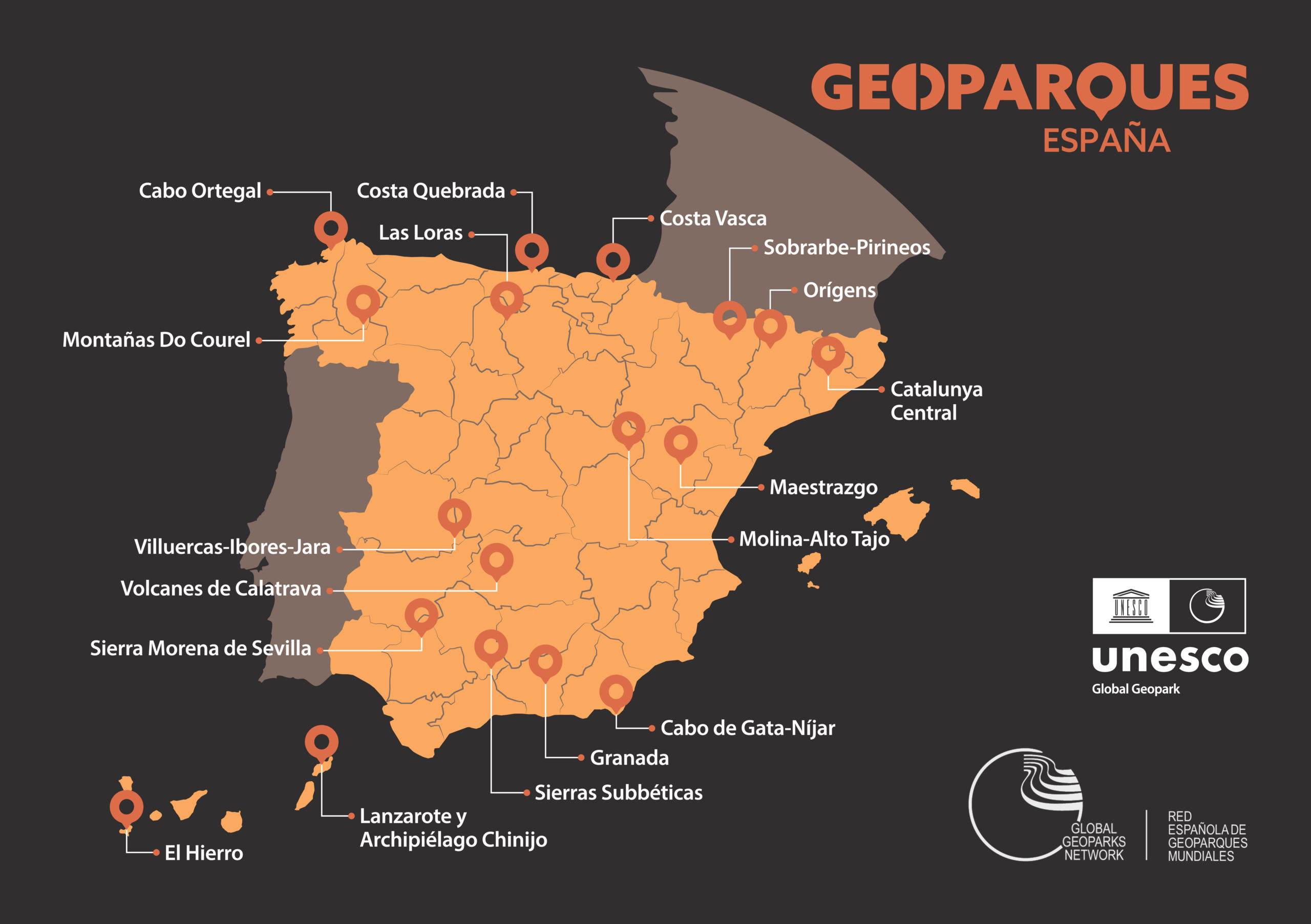
In countries with multiple Geoparks, the GGN is represented by national committees or forums.
In Spain, UNESCO Global Geoparks, together with individual GGN members, form the Spanish Geoparks Forum, a permanent working group under the National Committee of UNESCO Global Geoparks, which reports to the Spanish National Commission for UNESCO at the Ministry of Foreign Affairs. Its main role is to liaise with UNESCO on the implementation of the Global Geoparks Programme in Spain.
The Spanish Geoparks Forum aims to:
- Participate in the National Committee to support the successful implementation of UNESCO Geoparks objectives and contribute Spanish expertise to the International Geoscience and Geoparks Programme.
Various activities make up the cooperative elements of the Spanish Geoparks Forum:
Promote and disseminate the work of Spanish UNESCO Global Geoparks, highlighting cultural, scientific, and territorial development aspects through websites, social media, seminars, and publications.
Participate in scientific, educational, tourism, or sustainable development events requiring UNESCO Geoparks’ input or presence.
Coordinate joint initiatives among Spanish Geoparks, fostering collaboration, development, and relationships through events and projects.
Engage with the GGN and EGN, according to their statutes and regulations, to ensure active international cooperation.